
Jungian Analysis
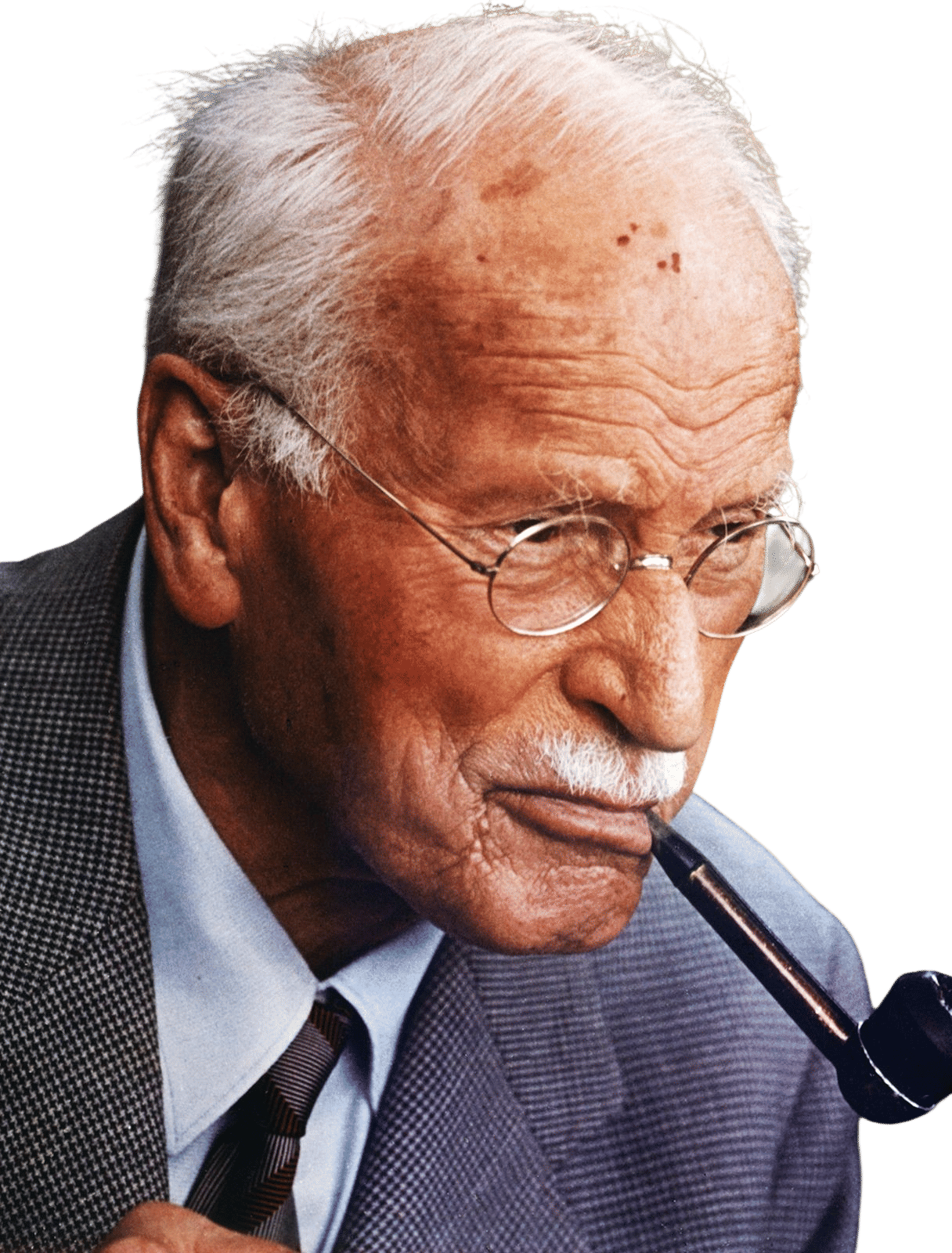
This is probably what most people who have zero experience with therapy think that therapy is. Well at least they think a characterized version of this is what they stand to face in a therapist's office.
Carl Gustav Jung (1875–1961) was a Swiss psychiatrist who more or less founded analytical psychology. Departing from Freud, he expanded on the unconscious, emphasizing psychological growth, universal archetypes, and personality types (like introversion and extroversion). His overarching goal was lifelong individuation—becoming your truest, most whole self. Righteous. Thanks Carl.
Jungian analysis is a form of talk therapy that is particularly in-depth, conceptual, theoretical and individually focused. The goal here is to
bridge the conscious and unconscious mind in an attempt to reach individuation (or the lifelong process of integrating hidden parts of the psyche, such as the Shadow and archetypes, to help you achieve a more authentic, balanced, and whole sense of self). A tall task that takes... well, a lifetime generally.
Jungian Analysis can be broken down into a few core concepts
The Unconscious: Unlike Freud, Jung believed the unconscious contains not just repressed personal memories, but also the entirety of the collective unconscious: a shared universal symbols, instincts, and archetypes inherited from human history.
The Shadow: The parts of your personality that your conscious mind deems unacceptable, often repressed and projected onto others.
Archetypes: Universal, innate models of behavior and personality (e.g., the Persona, the Anima/Animus, the Wise Old Man) that guide how we perceive and react to the world.
Psychological Types: A framework of personality defined by an individual's orientation (introverted or extraverted) and primary cognitive functions (thinking, feeling, sensation, and intuition).
There is also a tremendous amount of cross over between Jungian Analysis and other schools such as dreamwork, psychedelic assisted therapy and astrology to name a few. I simply don't have the time or space to cover all of those intersections. At least here and now.
The therapy works through a few means:
Dream Interpretation: Dreams are viewed as objective messages from the unconscious, providing valuable clues about what is missing or out of balance in your conscious life. Analysts use "amplification" (exploring analogies and myths) rather than just free association.
Exploring Symptoms: Instead of treating symptoms as defects to be eliminated, Jungians view them as attempts at self-healing and important clues signaling that your authentic self is blocked.
Active Imagination: A meditative technique used to consciously interact with your unconscious figures, dreams, and inner voices to foster integration. Very cool thread that could honestly be a modality in and of itself.
There are others of course but those stick out as the core pillars here.
The goal is to focus on the long term here. Rather than just providing quick relief from symptoms, this holistic process helps you untangle deep-rooted behavioral patterns, understand your core motivations, and align with your deepest innate potentials.
This modality has slowly fallen out of favor compared to more goal oriented (and therefore cost effective) modalities but has a stronghold in the more intellectually oriented metro areas like NYC, Berlin & London.
2 months ago
Comments




Follow Steven Weill
By submitting, you agree to our Terms and Privacy Policy