
Somatic Therapy
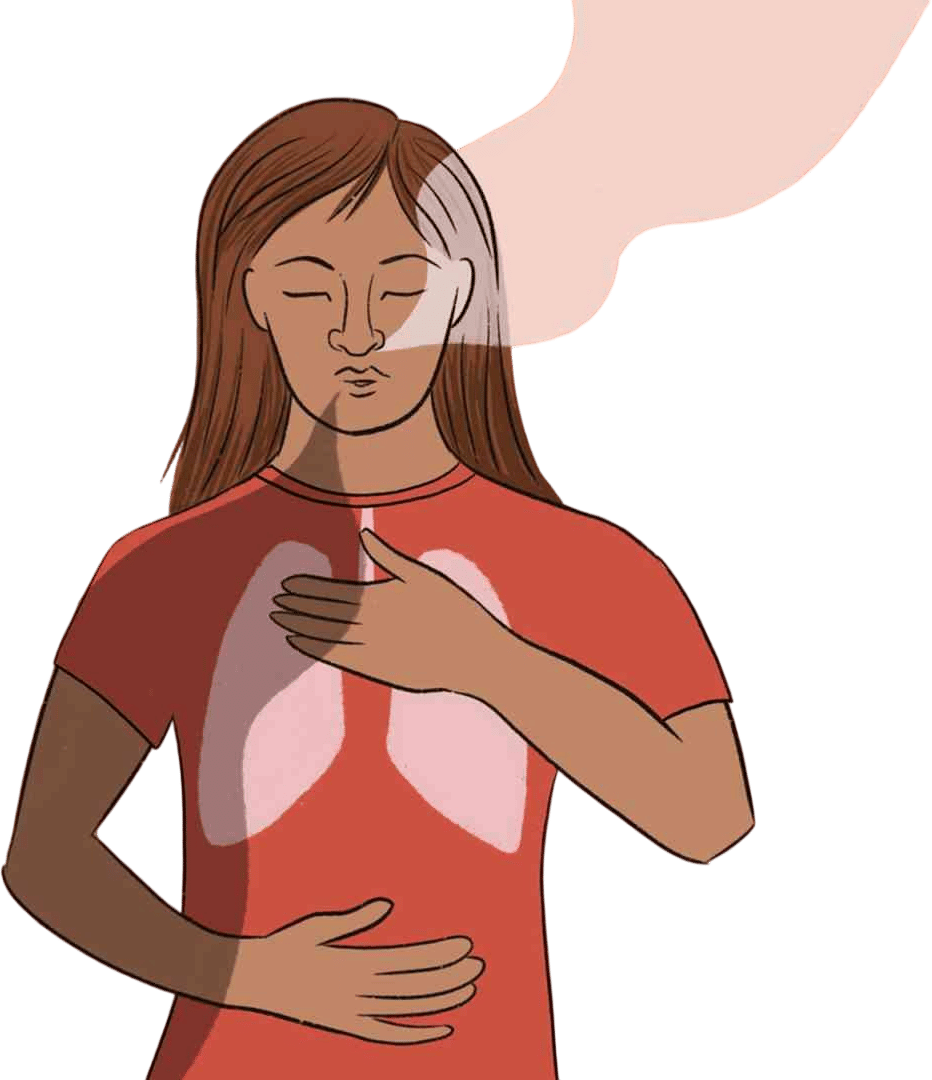
Somatic therapy aims to address what a century+ of 'modern' psychological healing largely deprioritized, if not outright ignored — to bridge the gap between the mental and the physical.
It largely focuses on the nervous system and its ability to release pent-up trauma, stress, and tension. Unlike more traditional talk therapies, it uses a "bottom-up" approach to attune to physical sensations over cognitive thoughts in order to process and regulate difficult emotions.
There are so many specific exercised and approaches within the broader world of somatic therapy (and that's not even addressing the thousands of hybrid approaches that incorporate somatics into other modalities), but some of the most common and effective are:
Titration & Pendulation: Moving slowly through a difficult memory while observing physical sensations, alternating between a relaxed state and the traumatic sensation to help process it without becoming overwhelmed.
Body Awareness: Learning to recognize tension spots and consciously shifting posture or relaxing the muscles.
Resourcing: Identifying specific memories, places, or people that make you feel safe and calm, giving you an anchor to return to.
Breathwork & Movement: Using deep breathing, gentle stretching, or intentional movement to help the body physically discharge trapped stress.
There is no shortage of specific diagnoses/symptoms that somatic therapies could help address — PTSD/CPTSD, chronic anxiety, depression, grief, stress related illnesses etc. I think one of the best use cases is for those who simply have a difficult time getting out of their own head. If you feel detached from your own physical state, or how you're physically processing emotions, somatic therapies are a great option. DM me on IG if you want a therapist rec in LA!
2 months ago
Comments


Follow Steven Weill
By submitting, you agree to our Terms and Privacy Policy